
It happens in every company, every year. The numbers come in below target. The board asks for savings. And within a week, marketing has a smaller budget.
Nobody argues for long. The cost is clear. The campaign stops, the licence is cancelled, the job vacancy stays open. Done.
Hear no evil. See no evil. But the evil is in the detail we miss: what doesn’t happen. A costly oversight. Harming the company as much as the marketing mandate.
The board will never know how much value was left on the table.
- The opportunities never pursued
- The revenue never earned
- The market share never won
- The profitable customer experiences never built
None of it shows up on the balance sheet. But just because the boardroom missed it doesn’t mean it can’t be calculated. And that’s a marketing task.
Across 46 business cases built on company data, every euro invested was projected to return €16.30, using conservative scenarios only. Read it the other way: cut the right euro, and the company gives up €16 in revenue it will never see.
But boardrooms cut blindly, and no one knows which euro it was.
Value Engineering changes that. It finds the euro, puts a price on it, and puts it on the table before the next cut. Here’s how.
1. Marketing Has a Boardroom Problem
The marketing department is irrelevant to the board. Harsh? Maybe. But ask yourself why.
The board runs the company on the balance sheet, and marketing doesn’t show up well there. Campaign costs do. Licence fees do. Agency invoices and headcount do. Missed opportunities? Never.
So what happens when the CFO needs to cut costs? Exactly. They cut what they can see. Not because they dislike marketing. That is simply what a balance sheet is built for. It counts what we spent, not what we failed to earn.
Now repeat that every budget round. For decades. Sounds familiar, right?
Every cut looks free. Every cut makes the next one easier. A smaller marketing team delivers less, which proves it was a cost all along. A self-fulfilling prophecy.
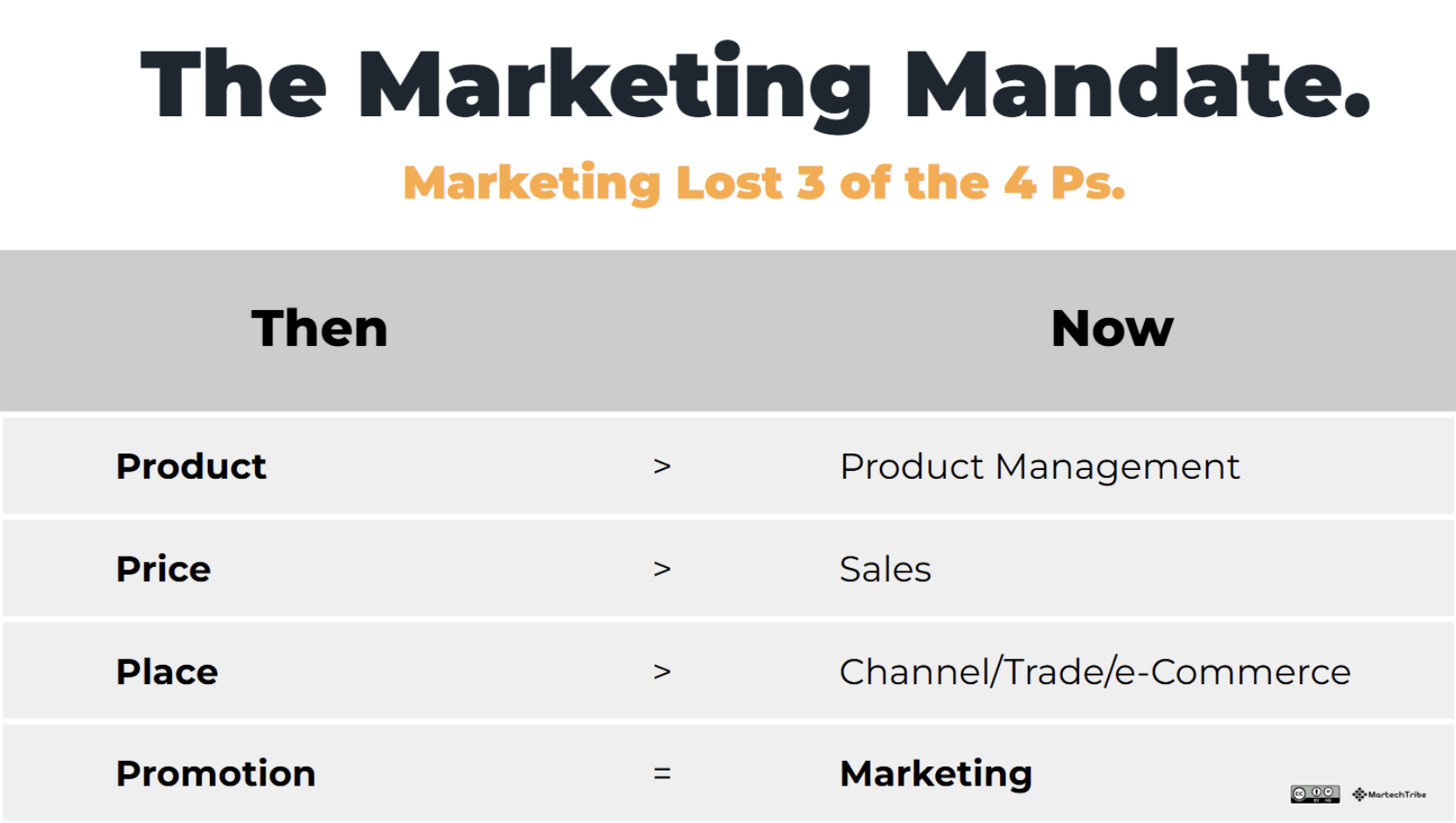
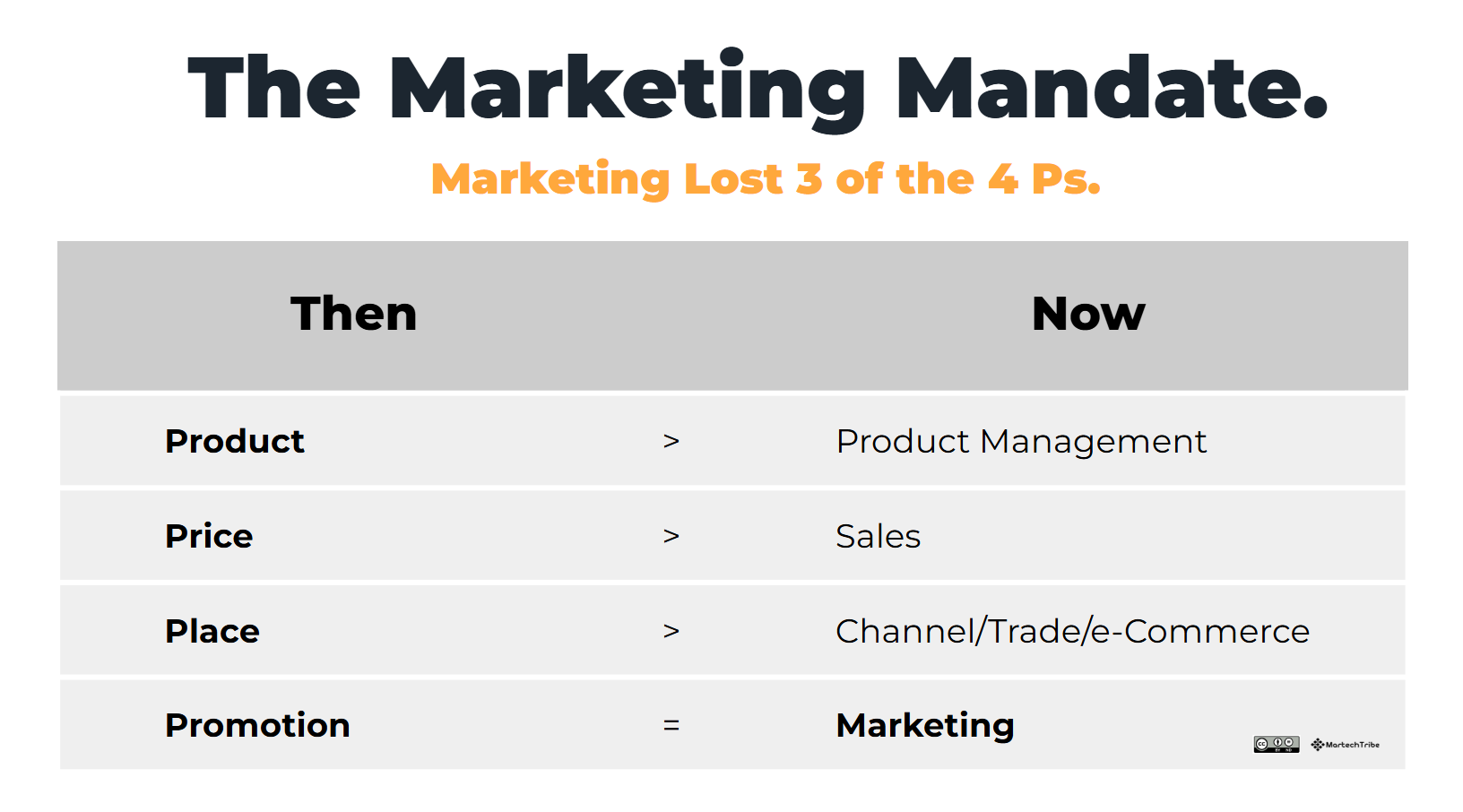
And it didn’t stop at budgets. Marketing lost its mandate along the way. Product moved to product management. Price moved to sales. Place moved to channel, trade, and e-commerce teams. The CMO was left with Promotion, generating demand for decisions made elsewhere.
Here’s the thing. The board doesn’t care that marketing got hurt. Why should it? But the company got hurt too. Every one of those cuts was a possible revenue decision, made without a revenue number. The company paid the bill. It just never got the invoice.
And marketing made it worse. We kept reporting reach, clicks, and leads to a board that steers on revenue, margin, and growth. Then we were surprised nobody listened.
Sure, some marketers know the sales numbers. They know exactly where the revenue goes. They just don’t know how to generate more of it. Which customer levers to pull. That’s the real gap. Knowing where the revenue lands is not the same as knowing why it comes. You can read every sales report and still have no idea how your customer ticks.
The good news? Invisible doesn’t mean gone. Those missed opportunities left traces. Every customer is proven revenue. Every customer once was a lead. The evidence is sitting in your CRM. You just have to follow the money.
2. The Missed Revenue Is Already in Your CRM
You don’t need a crystal ball, a market study, an expensive forecasting tool, or to connect or clean all your data to find the missed revenue. It’s right under your nose. Take a look at your existing customer data. Today.
Value Engineering starts with two simple facts.
- Every customer is proven revenue.
- Every customer once was a lead.
So the path to future revenue is already there, in your own data. You just have to walk it backwards. But this is where many companies go wrong. They start at the wrong end of the stick.
They look for growth where they have the least data. Take the Ansoff matrix. A new product for a new market is diversification. Two unknowns at once. That’s the combination of death.
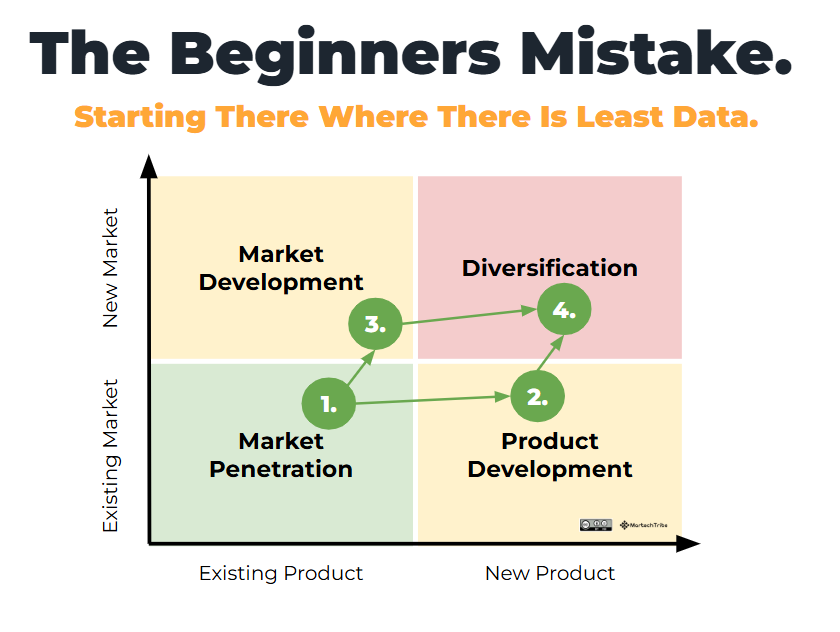
Why so dangerous? Because most companies don’t even know their current customer. Firmographics or demographics, maybe. Clicks, probably. But what is the customer trying to solve? How do they talk? When do they act? Totally unknown. And if you don’t know your current customer, how could you know a new one?
Does this kill innovation? Nope. Your existing revenue streams fund innovation. So protect them and exploit them first. Then innovate one step at a time: a new market OR a new product. Never both. How do you know which one? Learn who your real customer is. Your data will reveal the next opportunity, and usually some low-hanging fruit too.
So how do you get to know your current customer? Always with three questions. Who is our biggest customer? What product or service do they buy most? And what is the margin? Most marketers cannot answer these on the spot. Not because they are bad at their job, but because their dashboards were never built for it.
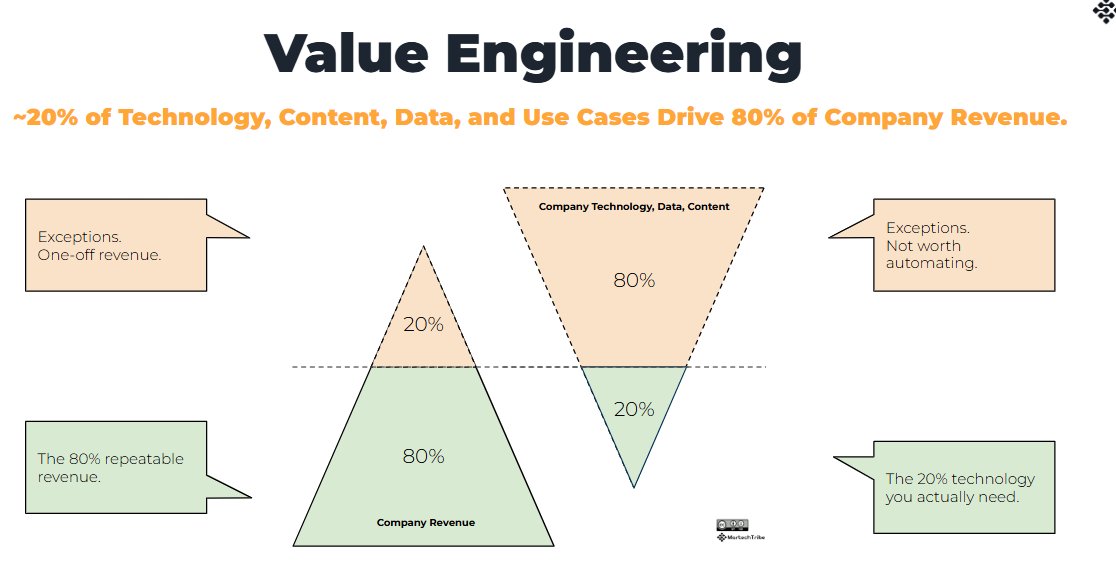
And the answers point somewhere. In almost every company, a small part of the technology, data, and content serves the bulk of the revenue. The rest is exceptions. One-off revenue. Not worth automating.
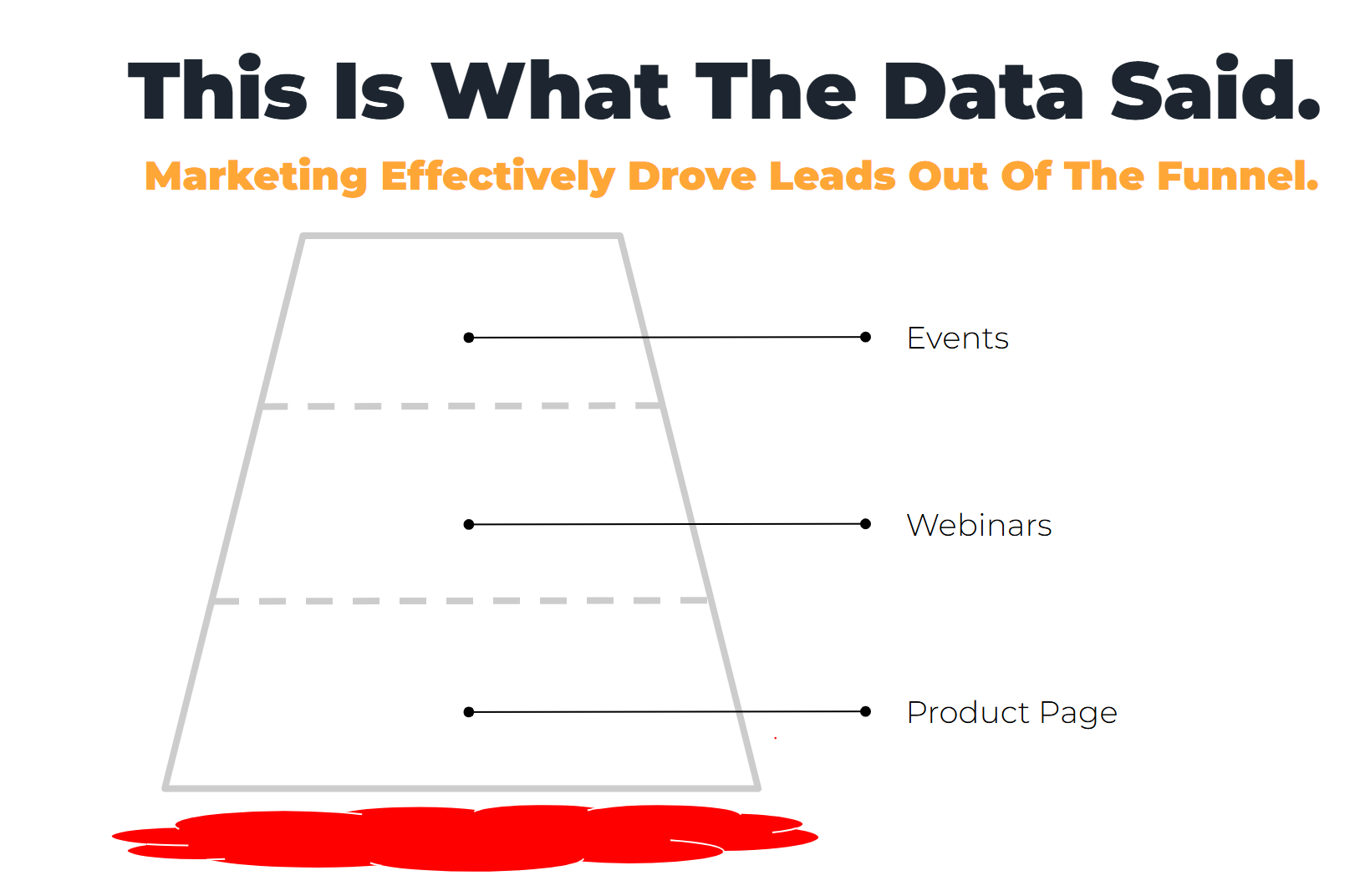
Take a B2B manufacturer of lab equipment. Their funnel? “Simple”, they said: Events, webinars, product pages. The funnel looked healthy. Then we opened the CRM. The data told a different story. Their marketing was actually driving leads out of the funnel. Very effectively. Fully optimized. Nobody saw it, because no report was looking for it. No one explored what the customer was solving. After fixing it, every dollar invested returned $17.
Or take a B2B wholesaler in landscaping equipment. Marketing got a clear target: grow order value in the Potential Customer segment by 5 to 7%. Sounds reasonable. Until we looked at the CRM. That segment was 0.2% of revenue. Practically non-existent. Never assume the boardroom knows your numbers. This happens in 30% of the cases, we learned.
So we followed the money. Gold customers ordered about six times a month. Incidental customers only now and then. The difference? Gold customers hardly used quotations. They had discount tiers, so they just ordered. Incidental customers kept asking for quotes, one order at a time.
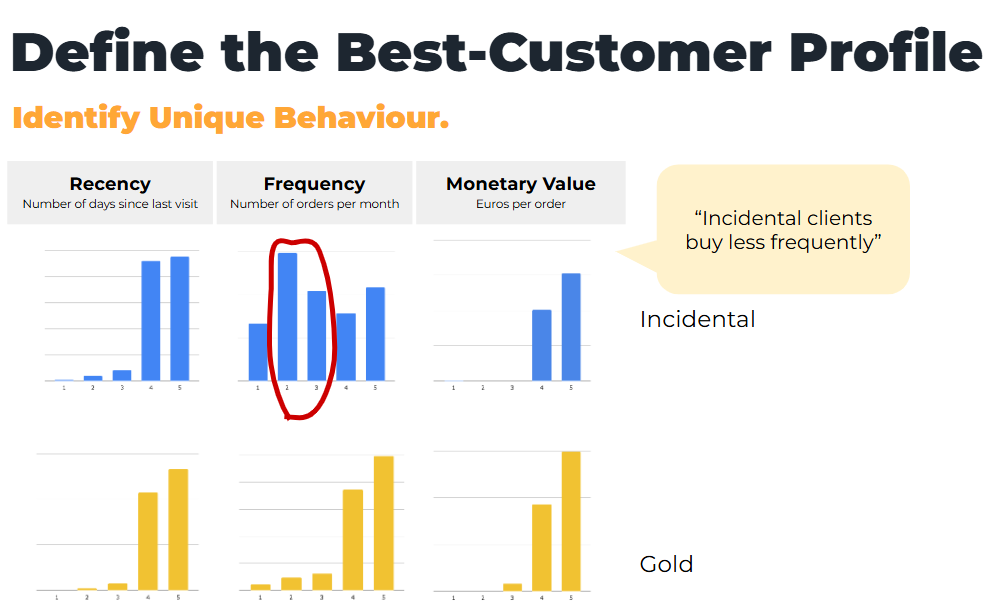
The fix was simple. After their first purchase, incidental customers were invited to book a call with an account manager and get access to the discount tiers. Result: 8.2 more orders per month. About 54% growth.
Neither company needed more leads. Neither needed new technology. Both needed to see what their data already showed. The customer talks to you through the data. You just have to listen.
But finding the money is only half the job. A board doesn’t say yes to an insight. It says yes to an investment.
3. From Marketing Plan to Investment Proposal
Here’s where most marketers go wrong. They present a marketing plan. Channels, campaigns, content calendars. The board nods politely and moves on to the next agenda item. No approval.
A board doesn’t approve marketing plans. It approves investments. So that’s what you bring: a business case. What does it cost, what does it return, and when? The same three things the CFO asks of any other investment.
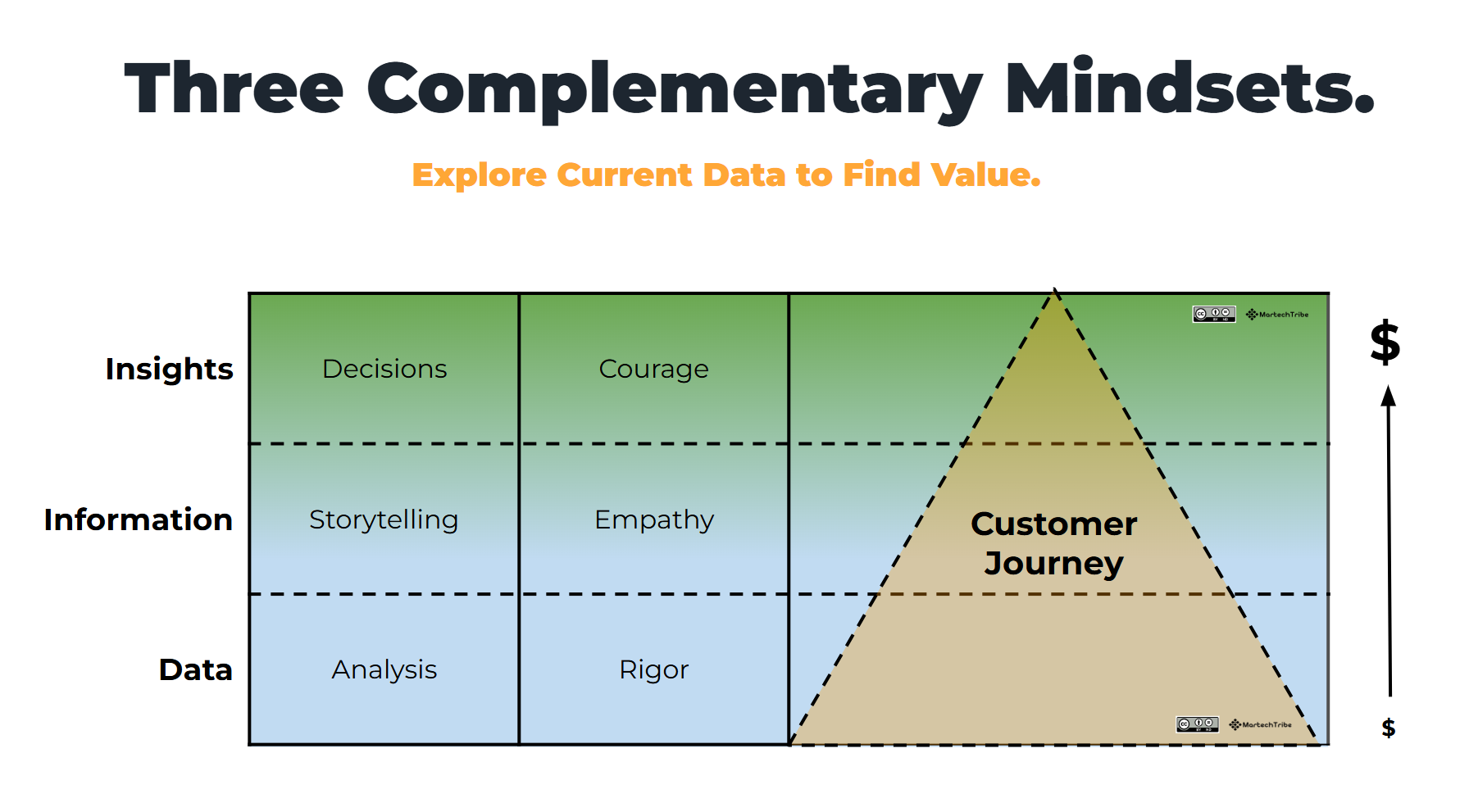
Building one takes three mindsets. First, data, which takes rigor: what does the data say, and what is missing? Then information, which takes empathy: what is the customer story behind the numbers? Then insight, which takes courage: this is what we are going to do, and this is what we’ll figure out later.
Then tell it the way the board thinks. Message first. Make your last slide your first one. Put the costs, the returns, and the one thing you need a yes on right at the start. Every slide after that explains how you got there. No clue at the end. A board has no patience for a detective story.
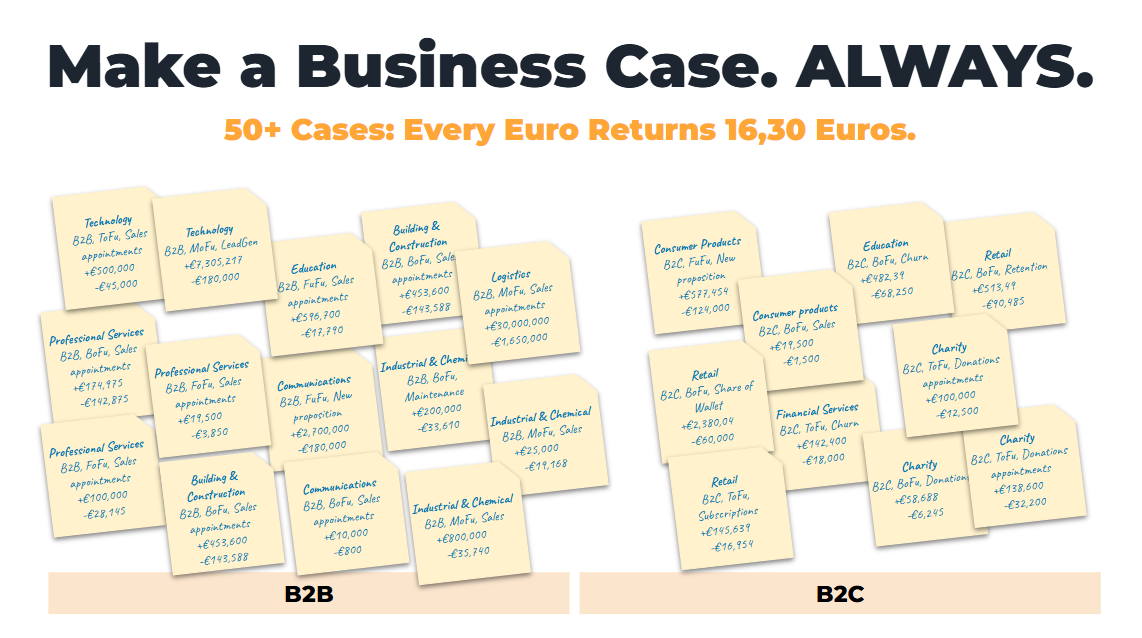
Does it work? We put it to the test with students at Beeckestijn Business School. 46 business cases in the past seven years, built on real company data, in three months. We only counted the conservative scenario. No gains from copying the approach to other products or business units.
Nine out of ten plans were approved by management before the program ended. Eight out of ten were already being implemented. B2B, B2C, even charities.
That’s the shift. Marketing moves from the cost line to the investment line. And once it sits there, a budget cut is no longer free. It has a price tag in revenue.
So next time your CFO wants to cut the marketing budget, don’t defend it. Show them which revenue they are about to cut.

Related posts
Keep reading for more marketing technology information!

Marketing Is The Company's Edge: Where Value Happens
Value Engineering #2 - Stop Optimizing Campaigns. Optimize Revenue.
How to Put a Missed Opportunity on the Balance Sheet